
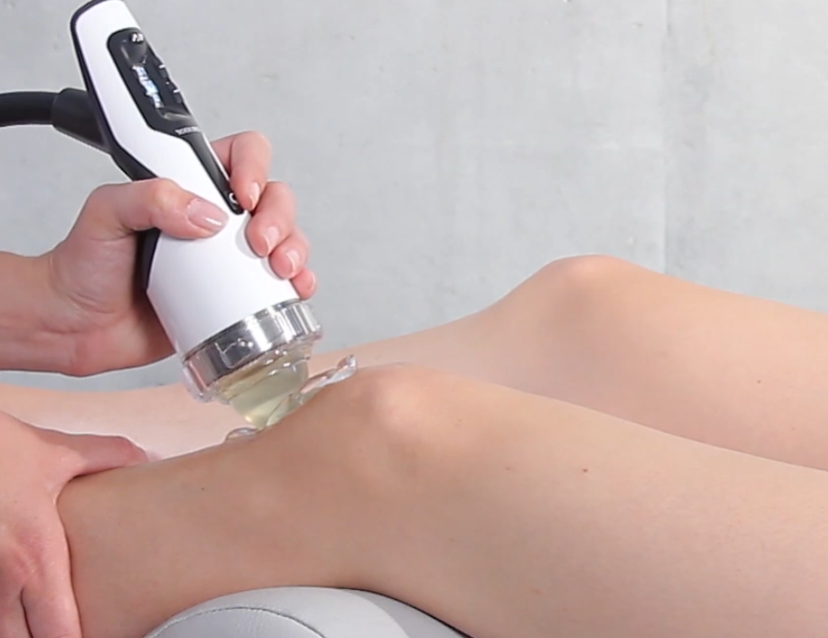
For those living with chronic pain, it is easy to find ourselves stuck in a frustrating cycle of rest, prescription medications, injections, and traditional therapies that provide only temporary or minimal relief. When these methods fail to deliver lasting results, it is natural to wonder if surgery is your only remaining option. However, modern musculoskeletal care has evolved, and Extracorporeal Shockwave Therapy (ESWT) has emerged as a groundbreaking, non-invasive treatment that bridges the gap between conservative care and surgical intervention.
Used widely in orthopedics, sports medicine, and rehabilitative practices, shockwave therapy offers a promising alternative for patients struggling with chronic soft tissue and joint conditions. Like any medical treatment, however, it is important to understand both its benefits and the factors that may influence outcomes before deciding whether it is the right choice for you.
What Is Shockwave Therapy?
Despite the name, shockwave therapy does not involve electric shocks. Instead, it utilizes high-energy acoustic (sound) waves that are delivered through the skin to the site of an injury.
These pressure waves restate the body’s natural healing process by increasing blood flow, stimulating the production of collagen, and breaking up calcified deposits in tendons.
The Pros of Shockwave Therapy
Non-Invasive and Drug-Free Pain Relief
One of the greatest benefits of shockwave therapy is that it is completely non-invasive. There are no needles, incisions, or anesthesia involved, making it a lower-risk option compared to injections or surgical procedures.
Additionally, because it does not rely on medication, shockwave therapy is ideal for patients who wish to avoid long-term drug use or are concerned about side effects, dependency, or interactions with other medications.
Targets the Root Cause of Pain
Rather than simply numbing pain signals, shockwave therapy works by stimulating the body’s natural healing processes. Specifically, the acoustic waves delivered during treatment increase blood flow, promote cellular regeneration, and help break down damaged tissue. This approach supports true healing at the source of the pain, which can lead to more meaningful and longer-lasting relief.
Effective for Chronic and Stubborn Conditions
Shockwave therapy is often recommended for conditions that have not responded well to traditional treatments. Patients suffering from plantar fasciitis, Achilles tendinopathy, tennis elbow, shoulder pain, hip pain, and other chronic musculoskeletal issues may find renewed hope with this technology. It can be especially beneficial for individuals who have been dealing with pain for months or even years without improvement.
Minimal Downtime and Convenient Treatment Sessions
Most shockwave therapy sessions are relatively short, typically lasting between 10 and 20 minutes. Immediately following treatment, patients can usually return to their daily activities, making it an excellent option for those with busy schedules.
Encourages Long-Term Healing and Improved Function
Many patients report not only pain reduction but also improved mobility, flexibility, and function after completing a course of shockwave therapy. By supporting tissue repair and reducing chronic inflammation, this treatment can help patients move more freely and confidently and even reduce the need for more invasive interventions down the line.
The Potential “Cons” of Shockwave Therapy
While the benefits of shockwave therapy are extensive, it is important for patients to have a realistic and holistic view of any medical procedure. The following “cons” are not necessarily drawbacks of the technology itself, but rather factors that vary based on an individual’s unique physiology and condition.
Results Can Vary From Person to Person
While shockwave therapy has an excellent track record, it is important to recognize that every patient responds differently. Factors such as the type and severity of the condition, overall health, lifestyle habits, and how long the issue has been present can influence results. Some patients experience noticeable improvement after just a few sessions, while others may require a more extended treatment plan.
Multiple Sessions Are Often Needed
Shockwave therapy is not typically a one-time treatment. Most conditions respond best to a series of sessions spaced over several weeks. This gradual approach allows the body time to heal and adapt, but it does require commitment and consistency.
Mild Discomfort During Treatment Is Possible
Because shockwave therapy stimulates injured or sensitive tissues, some patients may experience mild to moderate discomfort during the session. This sensation is usually brief and well-tolerated, and intensity levels can be adjusted based on individual comfort. Most patients find that any temporary discomfort is outweighed by the long-term benefits of pain relief and improved function.
Not Every Condition Is an Ideal Fit
Shockwave therapy is highly effective for many musculoskeletal conditions, but it may not be appropriate for everyone. Certain medical conditions, such as specific circulatory or neurological disorders, may require alternative approaches. This is why a thorough evaluation with a qualified provider is essential before beginning treatment.
Experience the Benefits of Shockwave Therapy for Yourself
Chronic pain does not have to define your life. Whether you are an athlete looking to return to the field or someone who simply wants to walk through the grocery store without pain, shockwave therapy may be the solution you’ve been searching for. If you are located in Newtown Square or anywhere in the greater Philadelphia area, Dr. David W. Nadler & Associates offers expert evaluation and patient-centered shockwave therapy plans designed to help you regain comfort and mobility.
With an extensive educational background in neurology, physiology, and chiropractic care, Dr. Nadler brings a comprehensive, science-based approach to pain management. He is also distinguished as one of only 300 internationally certified doctors in Shockwave Medicine worldwide. Patients can feel confident knowing their treatment is being administered according to the highest standards.
If you’re ready to see if this treatment is right for you or have more questions about the pros and cons of shockwave therapy, contact Dr. David W. Nadler & Associates today to schedule a consultation. With the right guidance and advanced care, lasting relief may be closer than you think.