

Trying any new medical treatment can feel intimidating, especially when you’re unsure what the appointment will involve or whether the therapy will be comfortable. Fortunately, learning more about the process ahead of time can help ease anxiety and allow you to feel more confident about beginning treatment.
Continue reading “What to Expect During Your First Shockwave Therapy Appointment”Category: Shockwave Therapy
Does Shockwave Therapy Relieve Arthritis Pain?
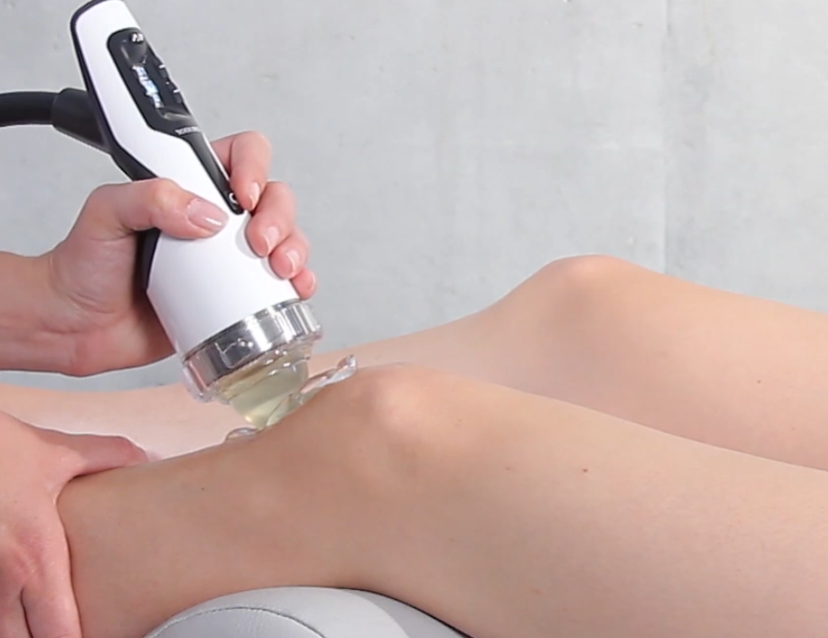
Living with arthritis is more than just dealing with occasional aches; it’s often a daily struggle that affects nearly every aspect of life. If you have any form of arthritis, you are likely familiar with morning stiffness that makes it difficult to get out of bed, persistent joint pain that lingers throughout the day, and reduced mobility that limits once-enjoyed activities.
Continue reading “Does Shockwave Therapy Relieve Arthritis Pain?”The Pros & Cons of Shockwave Therapy
For those living with chronic pain, it is easy to find ourselves stuck in a frustrating cycle of rest, prescription medications, injections, and traditional therapies that provide only temporary or minimal relief. When these methods fail to deliver lasting results, it is natural to wonder if surgery is your only remaining option. However, modern musculoskeletal care has evolved, and Extracorporeal Shockwave Therapy (ESWT) has emerged as a groundbreaking, non-invasive treatment that bridges the gap between conservative care and surgical intervention.
Continue reading “The Pros & Cons of Shockwave Therapy”How Long Does It Take for Shockwave Therapy to Work?
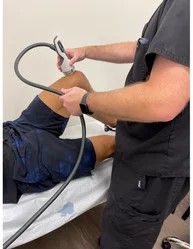
Focused shockwave therapy is an excellent technique that can be used to treat a wide array of injuries, including plantar fasciitis, tennis elbow, and many more. It’s fantastic for athletes and everyday people for its many advantages, including the fact that it’s a non-invasive treatment. However, it may take some time for patients to experience the full results of their treatment. So, how long does shockwave therapy take to work? Let’s review some of the factors that can influence the time it takes for you to feel better following your focused shockwave therapy.
Continue reading “How Long Does It Take for Shockwave Therapy to Work?”How Does Shock Wave Therapy for Achilles Tendinopathy Work?
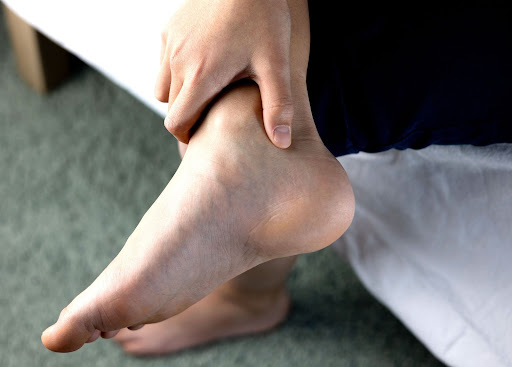
Looking to get therapy for Achilles tendinopathy? Then consider extracorporeal pulse activation treatment and Focused shockwave. This advanced and simple therapy utilizes the body’s natural healing system to treat Achilles tendinopathy—also known as Achilles tendonitis. But how does it work? Here’s an overview of shock wave therapy for Achilles tendonitis, from the science behind the procedure to the benefits it provides.
Continue reading “How Does Shock Wave Therapy for Achilles Tendinopathy Work?”How the Body Reacts to Shockwave Therapy
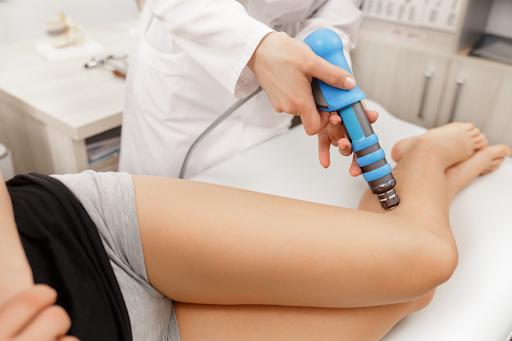
You may have heard of shockwaves when it comes to earthquakes, but did you know they can be used in medical treatments as well?
Focused shockwave therapy, originally developed to treat kidney stones, is used to treat skeletal and muscular pain throughout almost every part of the body. Injuries, including tennis elbow and plantar fasciitis, occur because of strain, overuse, or damage to the musculoskeletal system. This system is responsible for your body’s mobility, meaning any damage it sustains can be highly serious.
Using focused shockwave therapy can greatly enhance the healing process in muscles, bones, and connective tissues and help them recover. However, what are the shockwave effects on the body that make the treatment possible? To learn more, here’s an overview of the shockwave procedure and how it affects the human body to promote healing.
Continue reading “How the Body Reacts to Shockwave Therapy”When Should Shockwave Therapy Be Used?
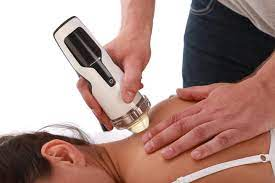
Injuries involving soft tissue or some bone problems can cause a significant amount of pain for an individual. Oftentimes, these injuries can severely limit an individual from enjoying activities such as sports and even impact their daily lives. Yet, a procedure once used to treat kidney stones has now proven itself to be effective in treating a wide range of soft tissue and musculoskeletal issues.
Continue reading “When Should Shockwave Therapy Be Used?”The Benefits of Shockwave Therapy for Athletes

Athletes are wired to push through discomfort. Whether you’re a weekend warrior training for your next 5K, a CrossFit enthusiast striving for a new PR, or a competitive athlete preparing for your season, a certain level of soreness can feel “normal.” In fact, many active individuals assume pain will fade with a few days of rest, icing, stretching, or over-the-counter anti-inflammatories.
But what happens when it doesn’t?
Shockwave therapy has emerged as an advanced, non-invasive treatment option in sports medicine and musculoskeletal care. Increasingly popular among athletes and healthcare providers alike, this innovative therapy is designed to stimulate the body’s natural healing processes, reduce chronic pain, and help active individuals return to peak performance safely and efficiently.
If you’re looking for a solution beyond temporary symptom relief, shockwave therapy may offer a powerful path forward. To explore this treatment further, check out the benefits of shockwave therapy for athletes.
How Shockwave Therapy Works
Shockwave therapy originated as a method to break up kidney stones in patients, but studies conducted by doctors found that it could also heal musculoskeletal injuries. Ever since then, shockwave therapy has been utilized to heal the injuries of pro athletes and other active individuals.
Shockwave therapy, also known as extracorporeal shockwave therapy (ESWT), uses targeted acoustic pressure waves to stimulate healing in injured tissues. Despite its name, there are no electrical shocks involved. Instead, controlled pulses of energy are delivered to the affected area through a handheld device applied to the skin.
These acoustic waves create microtrauma at the cellular level. While that may sound counterintuitive, this controlled stimulation triggers the body’s natural healing processes and encourages increased blood circulation to the injured tissue, the stimulation of collagen production, the activation of stem cells and growth factors, the breakdown of scar tissue and calcifications, and the reduction of chronic inflammation. This, in turn, results in a quicker and more effective recovery.
The Top Benefits of Shockwave Therapy for Athletes
When you’re committed to your sport, your recovery strategy matters just as much as your training program. Shockwave therapy offers several benefits that make it especially appealing to active individuals.
Non-Invasive and Drug-Free
Many athletes prefer to avoid surgery whenever possible. They also want to limit dependency on pain medications or repeated steroid injections. Shockwave therapy offers a non-surgical, drug-free approach that supports the body’s natural healing processes rather than masking symptoms.
Stimulates Tissue Healing
Chronic tendon and soft tissue injuries often involve degeneration rather than active inflammation. Traditional treatments that focus solely on reducing inflammation may not address this underlying tissue damage. Shockwave therapy, however, helps stimulate collagen production and tissue regeneration, targeting the root of the problem.
Reduced Pain and Improved Function
Because it improves circulation and breaks down dysfunctional tissue, shockwave therapy benefits athletes with a variety of injuries. With time, it reduces pain and restores mobility. In fact, many athletes report improved range of motion, strength, and overall function as the healing process progresses.
Minimal Downtime
One of the biggest concerns for athletes is time away from training. While modifications may be recommended, shockwave therapy typically does not require extended recovery periods. Many patients are able to continue light activity, following their provider’s guidance.
Complements Rehabilitation Programs
Shockwave therapy is often integrated into a comprehensive recovery plan that may include corrective exercises, mobility work, manual therapy, and performance-focused rehabilitation. When combined with proper training adjustments, it can help accelerate progress and reduce the risk of re-injury.
Common Athletic Injuries Shockwave Therapy May Help Treat
Shockwave therapy is commonly used for chronic tendon and soft tissue conditions that have not responded to conservative care. For athletes, this includes a wide range of overuse and repetitive strain injuries.
Plantar Fasciitis
Persistent heel pain can make running, jumping, and even walking uncomfortable. Shockwave therapy may help stimulate healing in the plantar fascia and reduce chronic inflammation that hasn’t resolved with stretching or orthotics alone.
Achilles Tendinitis
Achilles pain is common among runners and athletes who play on courts. When the tendon becomes thickened and degenerates, shockwave therapy may help promote tissue regeneration and reduce discomfort.
Tennis Elbow and Golfer’s Elbow
Repetitive gripping and swinging motions can lead to lateral or medial epicondylitis. Shockwave therapy can target the affected tendon attachments and encourage healing in these notoriously stubborn conditions.
Patellar Tendinitis (Jumper’s Knee)
Athletes involved in basketball, volleyball, and other jumping sports frequently develop patellar tendon pain. Shockwave therapy may support recovery by stimulating collagen repair within the tendon.
Shin Splints
Medial tibial stress syndrome can sideline runners and high-impact athletes. Shockwave therapy may help address chronic inflammation and promote tissue repair along the tibia.
Shoulder Tendinitis
Swimmers and baseball players often experience shoulder tendon pain. Shockwave therapy can be applied strategically to encourage healing in affected tissues.
Chronic Muscle Tightness and Trigger Points
Persistent muscle knots and tightness can limit mobility and alter biomechanics. Shockwave therapy may help release trigger points and improve circulation to chronically tight areas.
While not every injury is a candidate for shockwave therapy, a thorough evaluation can determine whether it may be appropriate for your specific condition and goals.
What to Expect During Shockwave Therapy Sessions for Sports Injuries
During your appointment, your provider will first evaluate the injured area and identify the precise location for treatment. A gel is applied to the skin, and the handheld shockwave device is positioned over the targeted tissue.
You may feel a tapping or pulsing sensation during treatment. Some areas may be mildly uncomfortable, particularly if the tissue is inflamed or sensitive. However, most patients tolerate the procedure well, and the intensity can be adjusted for comfort.
A typical session often lasts between 10 to 20 minutes, depending on the size and complexity of the treatment area. Because shockwave therapy works by stimulating a healing response, improvement may occur gradually over several weeks.
The number of sessions recommended varies depending on the severity and duration of the injury. Many treatment plans involve a series of visits spaced over several weeks. Your provider will develop a personalized approach based on your diagnosis, activity level, and recovery goals.
After treatment, you may experience mild soreness similar to post-workout discomfort. This is typically temporary and part of the body’s healing response. Most athletes can resume modified activities shortly after their session, following professional guidance.
Help Your Body Heal With Shockwave Therapy
If you’re dealing with a persistent sports injury that hasn’t responded to traditional care, you don’t have to settle for temporary relief. Contact Dr. David W. Nadler & Associates to experience the benefits of shockwave therapy for athletes.
Dr. Nadler has an extensive background in sports medicine, neurology, physiology, and chiropractic care, as well as shockwave medicine. His deep understanding of how the nervous system and musculoskeletal system interact allows him to approach athletic injuries with precision, resulting in meaningful recovery outcomes.
Dr. David W. Nadler Featured in Suburban Life Magazine!
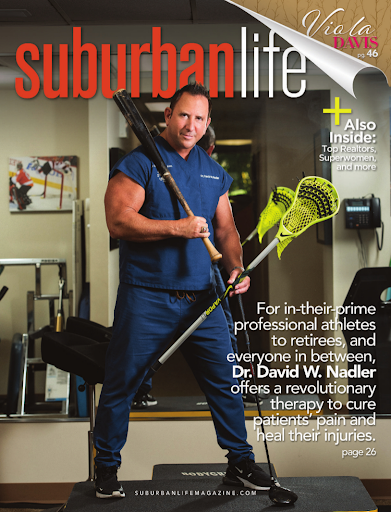
Dr. Nadler is one of the most accomplished chiropractors in the Philadelphia area, highly skilled in shockwave therapy, linear gravity plate therapy, and many more types of revolutionary treatment. And now, thanks to his expertise in the profession, he’s made it onto the front page of a Suburban Life Magazine issue!
With years of chiropractic experience, there’s no better chiropractor to visit than Dr. Nadler. After receiving his doctorate and post-doctorate in Chiropractic and Chiropractic Neurology, he has served as the Chiropractic Physician for numerous sports teams, including the Philadelphia Wings, Philadelphia Freedoms, Philadelphia Kixx, US Men’s National Soccer Team, UMAS a world class competitive cheerleading team, and countless professional athletes from the NBA, NFL, & MLB. Dr. Nadler has also been the previous Chiropractic Physician selected for huge sporting events such as the World Cup & X-Games.
Continue reading “Dr. David W. Nadler Featured in Suburban Life Magazine!”The Difference Between Radial vs. Focus Shockwave Therapy: What Works Best for You?
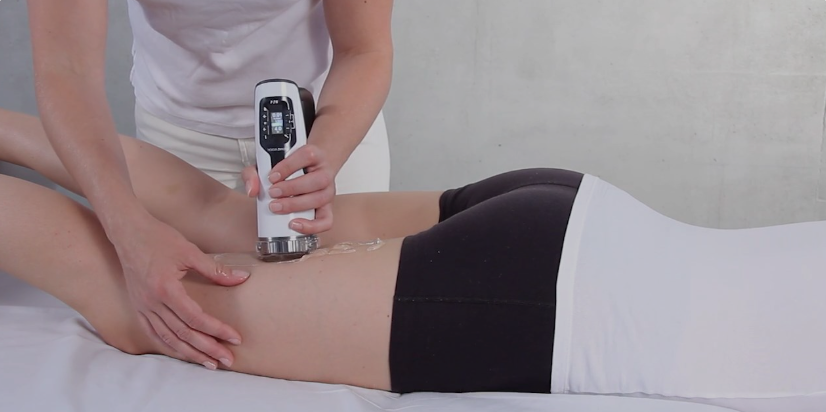
Extracorporeal Shockwave Therapy (ESWT) has transformed sports medicine and rehabilitation, offering a non-invasive way to relieve pain, speed healing, and restore mobility. From tennis elbow and rotator cuff injuries to plantar fasciitis and Achilles tendonitis, shockwave therapy is helping patients avoid surgery and recover faster.
Continue reading “The Difference Between Radial vs. Focus Shockwave Therapy: What Works Best for You?”