
Living with arthritis is more than just dealing with occasional aches; it’s often a daily struggle that affects nearly every aspect of life. If you have any form of arthritis, you are likely familiar with morning stiffness that makes it difficult to get out of bed, persistent joint pain that lingers throughout the day, and reduced mobility that limits once-enjoyed activities.
When the standard routine of anti-inflammatory medications, topical creams, or the looming prospect of invasive surgery feels insufficient or daunting, it is natural to look for a better way. That’s why many patients today are seeking regenerative solutions — treatments that don’t just mask the symptoms but actually support the long-term health of the joint. One of the most popular options is Extracorporeal Shockwave Therapy (ESWT). And, now, people are wondering: Does shockwave therapy relieve arthritis pain?
How Does Shockwave Therapy Work?
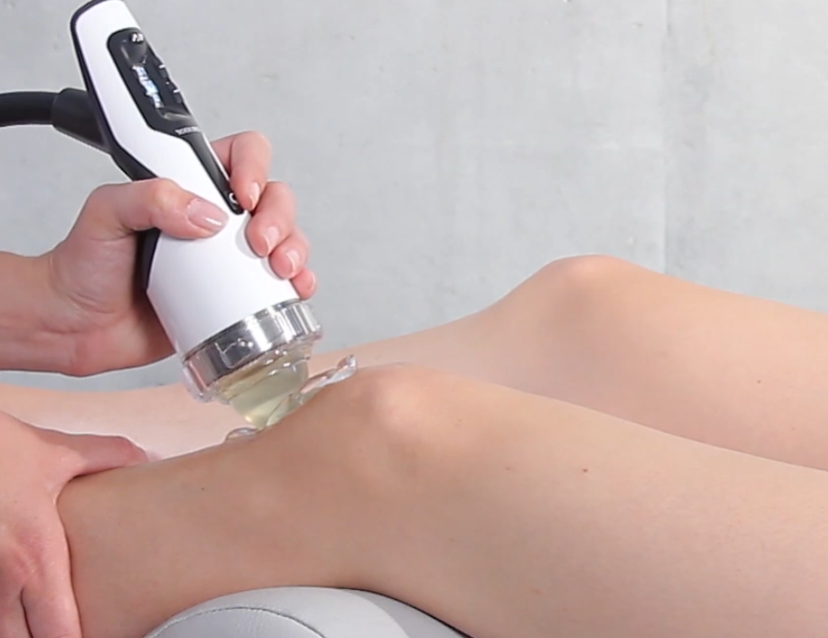
Shockwave therapy is a non-invasive treatment that uses acoustic pressure waves to stimulate the body’s natural healing processes. While it may sound intense, shockwave therapy does not involve electricity or surgery. Instead, it delivers targeted mechanical pulses to affected tissues, helping address pain at its source rather than merely dulling it.
But how does sound “fix” a joint? The process works through a biological phenomenon called mechanotransduction. When these acoustic waves hit the targeted tissue, they create micro-trauma that triggers the body’s natural healing response.
- Improved Blood Circulation: The energy pulses from the shockwave therapy tools stimulate the formation of new micro-capillaries. The increased blood flow then brings oxygen and essential nutrients to the damaged cartilage and ligaments, which are notoriously slow to heal on their own due to poor natural blood supply.
- Reduction of Inflammation: Shockwave therapy also helps lower the concentration of a neurotransmitter associated with intense pain and helps stabilize the inflammatory environment within the joint capsule.
- Tissue Regeneration: By stimulating fibroblast and osteoblast activity, shockwave therapy encourages the body to repair connective tissues and may help improve the density and resilience of the structures supporting the joint.
In short, shockwave therapy doesn’t numb the pain of arthritis; it signals your body to restart the repair process that chronic arthritis has stalled.
Joint Conditions That May Benefit From Shockwave Therapy
Arthritis is an umbrella term for over 100 different conditions, but shockwave therapy has shown particular promise in treating some of the most common and debilitating forms of joint wear and tear.
Osteoarthritis (OA) of the Knee and Hip
Often described as “wear-and-tear” arthritis, osteoarthritis occurs when the protective cartilage within a joint gradually deteriorates. This can lead to pain, stiffness, swelling, and reduced range of motion in the knees, hips, shoulders, and hands. Shockwave therapy may help by stimulating tissue regeneration, improving joint lubrication, and reducing inflammation that contributes to pain and stiffness.
Small Joint Arthritis (Hands and Feet)
For those suffering from arthritis in the base of the thumb or the joints of the feet, daily tasks can be excruciating. Because shockwave therapy is precise, it can be targeted to these small, sensitive areas to reduce stiffness and restore grip strength.
Rheumatoid Arthritis (RA)
While RA is an autoimmune condition that requires systemic medical management, shockwave therapy can be used as a complementary tool to manage the secondary localized pain and trigger points that often develop in the muscles and tendons surrounding inflamed joints.
Post-Traumatic Arthritis
Arthritis that develops after an injury, such as a fracture or ligament tear, may also respond well to shockwave therapy. This treatment helps re-activate the healing process in tissues that may have stalled, offering relief when other conservative measures have fallen short.
Tendinitis and Pseudo-Arthritis Pain
Often, what feels like deep joint pain is actually calcific tendinitis or chronic inflammation of the ligaments surrounding the joint. Shockwave therapy is considered a gold standard for breaking up painful calcium deposits and rejuvenating these soft tissues, which significantly lightens the load on the joint itself.
Why Experience Matters in Using Shockwave Therapy for Arthritis Pain
When considering advanced treatments like shockwave therapy, the technology is only as effective as the practitioner operating it. It requires an intimate understanding of musculoskeletal anatomy to ensure the energy is delivered to the exact depth and location needed for relief. As a chiropractor and a practitioner with international certification in Shockwave Medicine, Dr. David W. Nadler has the knowledge of human anatomy and the advanced technology to deliver exceptional results.
Patients appreciate Dr. Nadler’s compassionate style and commitment to education. He takes the time to explain how shockwave therapy works, the benefits of this therapy, and how it fits into a broader strategy for joint health. This collaborative approach empowers patients to make informed decisions about their care.
Take the Next Step Toward Relief
You should never have to accept chronic joint pain as an inevitable part of getting older. Aging may be mandatory, but living in constant discomfort is not. With the right intervention, you can regain the freedom to move and live without the constant shadow of arthritis. In some cases, if you are diagnosed in the early stages of arthritis, studies show it can reverse the degenerative changes.
If you’re ready to treat your arthritis pain with shockwave therapy services, contact Dr. David W. Nadler & Associates. We see patients throughout Newtown Square and the Greater Philadelphia area, and we’re excited to help you get back to the activities you love most.