
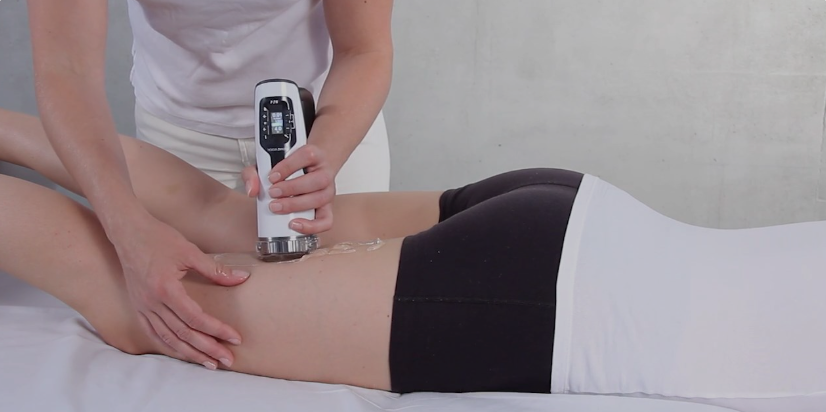
Extracorporeal Shockwave Therapy (ESWT) has transformed sports medicine and rehabilitation, offering a non-invasive way to relieve pain, speed healing, and restore mobility. From tennis elbow and rotator cuff injuries to plantar fasciitis and Achilles tendonitis, shockwave therapy is helping patients avoid surgery and recover faster.
Still, many people don’t realize there are two main types of treatment: radial shockwave therapy and focused shockwave therapy. Each offers unique benefits depending on the depth and nature of the injury. Understanding these differences helps you make an informed choice alongside your doctor.
Radial Shockwave Therapy
Radial shockwave therapy is the most commonly used form of ESWT in clinics worldwide. Compared to its focused counterpart, it produces a more dispersed energy pattern, making it well-suited for treating larger or more superficial areas.
How It Works
This method generates energy through piezoelectric technology. A projectile is accelerated and quickly decelerated, producing a kinetic shockwave that radiates outward. The wave’s strongest energy is at the surface and dissipates as it travels deeper, which makes it ideal for tissue closer to the skin.
Best Applications
Radial therapy is often used for:
- Tennis elbow and other tendon-related conditions
- Carpal tunnel syndrome and repetitive strain issues
- Achilles tendonitis and plantar fasciitis
- Trigger points and muscle adhesions
Because the energy is spread over a wider area, radial shockwave is also effective for treating muscle chains and promoting overall circulation in superficial tissues.
Focused Shockwave Therapy
Focused shockwave therapy delivers higher-intensity energy at a precise point, penetrating deeper tissues. While less commonly available, it plays an important role in treating complex injuries that radial therapy may not fully address.
How It Works
This form of ESWT uses an electromagnetic coil to create a pressure wave that travels through fluid, preserving its intensity. When applied to the body, the energy converges at a specific depth, allowing for pinpoint accuracy.
Best Applications
Focused therapy is recommended for:
- Deep tissue injuries closer to the bone
- Calcifications in tendons or ligaments
- Delayed healing fractures (delayed unions and non-unions)
- Patients who cannot tolerate radial shockwaves
With its ability to deliver targeted, deeper penetration, focused therapy is often chosen for more stubborn or chronic conditions.
Combination Shockwave Therapy
In many cases, the best results come from combining radial and focused shockwave therapy. This allows clinicians to address both superficial and deep tissue injuries in one treatment plan. For example, radial therapy can reduce surface-level inflammation, while focused therapy targets the root cause deeper in the joint or bone.
Choosing the Right Treatment

The most effective type of shockwave therapy depends on your specific condition, its depth, and how your body responds to treatment. Radial therapy is generally preferred for injuries closer to the skin’s surface, while focused therapy is better suited for deeper structures. In many cases, your provider may recommend both for comprehensive results.
Dr. David W. Nadler specializes in sports medicine and integrative care, tailoring treatment plans for athletes and active individuals. In addition to shockwave therapy, patients often benefit from complementary treatments like:
- Chiropractic Care to restore alignment and improve mobility
- Massage Therapy for muscle recovery and tension relief
- Physical Therapy to rebuild strength and flexibility
- Spinal Decompression Therapy for back pain relief and disc-related issues
By combining therapies, patients often experience faster recovery, improved function, and longer-lasting relief.
Discover the Best Shockwave Therapy in Philadelphia

If you’re struggling with a sports injury, chronic pain, or delayed healing, shockwave therapy could be the solution that helps you get back to the activities you love. Dr. David W. Nadler and Associates proudly serve patients across Newtown Square and the greater Philadelphia area, offering advanced non-invasive treatments in a supportive and professional setting.
Schedule a consultation today to learn which type of shockwave therapy is right for your needs.
FAQs About Shockwave Therapy
What is the main difference between radial and focused shockwave therapy?
Radial therapy disperses energy over a wider surface area, making it ideal for injuries close to the skin. Focused therapy delivers deeper, more precise energy to target bone and tendon issues.
Which conditions respond best to radial shockwave therapy?
Radial therapy works well for tennis elbow, carpal tunnel, plantar fasciitis, and Achilles tendonitis. It’s also effective for releasing tight muscle trigger points.
Who benefits most from focused shockwave therapy?
Focused therapy is best for deep tissue injuries, calcifications, and stubborn tendon problems. It’s often used when patients need targeted treatment near bone.
Can radial and focused shockwave therapies be combined?
Yes. Many patients achieve the best results when both are used together. Radial therapy treats surface inflammation while focused therapy targets deeper structures.
Is shockwave therapy offered at Dr. Nadler’s Philadelphia office?
Yes. Dr. David W. Nadler and Associates provide both radial and focused shockwave therapy, along with complementary treatments like chiropractic care and physical therapy.
When doing combination shockwave therapy for tennis elbow what would the schedule for that look like? Like when would you do the radial vs. the focused?